
Mwanga wa Kesho Projects: Child Protection Policy
Definition of a Child: For the purposes of this policy, a child is defined as any person under the age of 18 years.
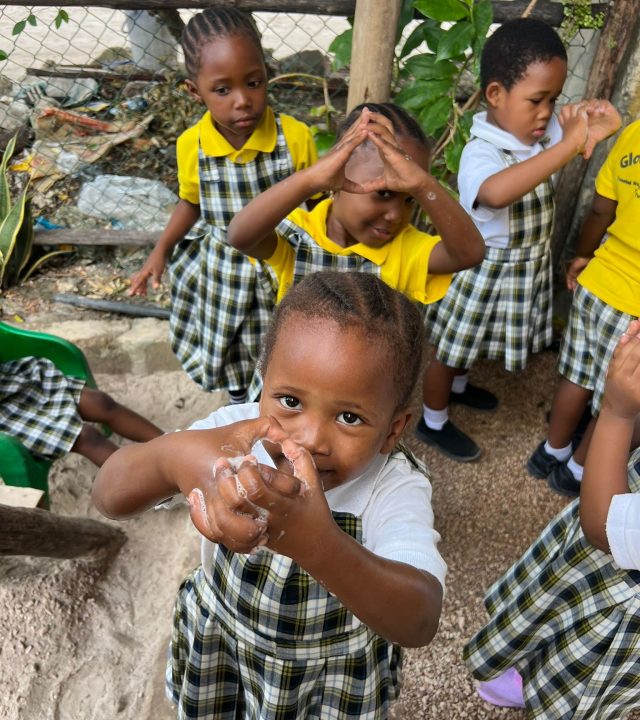
Our Commitment
Mwanga wa Kesho Projects believes that every child has the right to grow, learn, and participate in community life free from harm, abuse, exploitation, discrimination, or neglect.
The safety, dignity, privacy, and wellbeing of children are fundamental to all activities carried out through our programs. We are committed to creating environments where children are respected, protected, and supported at all times. This policy applies to all staff members, volunteers, visitors, partners, contractors, and representatives associated with Mwanga wa Kesho Projects.
Safeguarding Approach
Our safeguarding approach is guided by the following core commitments:
Child-First Priority: Children’s wellbeing always comes before organisational, volunteer, or promotional interests.
Serious Response: All concerns relating to child safety are taken seriously and acted upon appropriately.
Dignity & Respect: Children should be treated with dignity, respect, fairness, and compassion.
Professional Boundaries: Volunteers and staff must recognise and respect appropriate boundaries.
Ethical Media: Photography and storytelling must never compromise a child’s safety, privacy, or dignity.
Collective Duty: Safeguarding is everyone’s responsibility.
Code of Conduct: Expectations for Volunteers & Staff
Expected Behaviours
Individuals representing Mwanga wa Kesho Projects are expected to:
Treat children respectfully and inclusively.
Use age-appropriate and respectful language.
Act as positive role models.
Respect cultural differences while maintaining safeguarding standards.
Follow instructions provided by project supervisors and local partner organisations.
Report concerns immediately when they arise.
Prohibited Behaviours
Individuals must never:
Engage in physical, emotional, verbal, or sexual abuse.
Humiliate, intimidate, threaten, or shame a child.
Develop inappropriate personal relationships with children.
Exchange money, gifts, or favours in a way that creates dependency or preferential treatment.
Contact children privately through personal social media accounts or messaging platforms without authorisation.
Place themselves in situations that could create safeguarding concerns or misunderstandings.
4. Appropriate Interactions
Volunteers should always maintain professional and appropriate boundaries. Where possible, adhere to the following guidelines:
| Safeguarding Measure | Standard Practice |
| Setting | Activities involving children should take place in group settings. |
| Supervision | Local staff members, teachers, caregivers, or supervisors should be present during activities. |
| Physical Contact | Physical contact should be limited, appropriate, and respectful. |
| Isolation | Volunteers should avoid situations where they are isolated with a child. |
| Objective | The purpose of volunteering is to support existing community initiatives, not to establish personal dependency relationships with children. |
5. Photography, Video, and Social Media
Mwanga wa Kesho Projects recognises that photographs and stories can help communicate the impact of community programs. However, the protection of children always takes priority over promotional interests.
Volunteers, staff, and visitors must follow these requirements:
Obtain Permission: Gain explicit permission before taking photographs or videos where required by the organisation or partner institution.
Follow Authority: Follow instructions from schools, project supervisors, and community leaders regarding photography.
Risk Mitigation: Never publish content that could place a child at risk.
Anonymity: Avoid sharing identifying information such as full names, addresses, schools, schedules, or personal circumstances.
Dignified Portrayal: Present children respectfully and avoid content that portrays them as helpless, vulnerable, or dependent.
⚠️ Note: Any use of photographs involving children for organisational purposes must comply with consent requirements established by Mwanga wa Kesho Projects and relevant local partners.
6. Reporting Concerns
Any concern regarding the safety, wellbeing, or treatment of a child must be reported immediately to a designated Mwanga wa Kesho Projects representative. Where a child is believed to be at immediate risk of harm, concerns must be reported without delay.
What to Report:
Suspected abuse or neglect.
Inappropriate behaviour by volunteers, staff, visitors, or community members.
Breaches of this policy.
Unsafe environments or situations.
Reporting Principles:
Confidentiality: Reports will be handled sensitively, confidentially, and in accordance with applicable safeguarding procedures.
Non-Retaliation: Individuals reporting concerns in good faith will not face retaliation for raising safeguarding issues.
7. Consequences of Breaches
Failure to comply with this policy may result in disciplinary action, up to and including:
Verbal or written warnings.
Removal from specific activities or placements.
Immediate termination of volunteer participation.
Referral to local authorities where required by law.
Mwanga wa Kesho Projects reserves the right to take any action necessary to protect children and vulnerable individuals.
8. Policy Management
Confidentiality
Information relating to safeguarding concerns must be handled responsibly and shared only with individuals who have a legitimate need to know. The privacy of children, families, staff members, and volunteers must be respected throughout any safeguarding process.
Continuous Improvement
Mwanga wa Kesho Projects is committed to regularly reviewing and improving safeguarding practices. As our programs develop, safeguarding procedures may be updated to reflect evolving best practices, local requirements, and lessons learned through experience.
Final Reminder: Protecting children is an ongoing responsibility that requires vigilance, accountability, and continuous learning from everyone involved.